





dr duran

Orange Juice and Toothpaste

Everybody’s day starts a little differently, but we can agree brushing your teeth should always be a part of your morning routine!

Are you a before-breakfast brusher? If so, you know the dreaded orange-juice-and-toothpaste taste that can follow! Orange juice is bitter and cereal with milk tastes strange! It’s only temporary, but it can really put you off your breakfast!

Why does food taste so bad right after you brush your teeth?
orange juice and toothpaste

The reason for this bad taste is sodium lauryl ether sulfate, known as SLES or SLS (sodium laureth sulfate), which makes toothpaste foamy and disperses it around the teeth. However, sodium laureth sulfate is not as helpful when it comes to the tongue. Although completely harmless, sodium laureth sulfate suppresses the taste bud receptors for sweetness, and amplifies the taste bud receptors for bitterness. This heightened sensitivity to bitterness and dulling of sweetness is what makes your breakfast taste so strange.

Your tongue is covered with taste-sensitive cells spotted with proteins. If a particle of food you have eaten hits one of these cells, it sends a message to your brain signaling which taste sensation it is; sweet, bitter, sour, salty or umami.

Sodium laureth sulfate is a “detergent” molecule, which disperse fat molecules. This works in soaps for your body, hair or dishes. However, SLS affects the membranes of our tongue cells, blocking our sweet taste buds and enhancing our bitter taste. This results in the unpleasant flavor you get drinking orange juice after the SLS in your toothpaste has dulled your taste buds!

It is only temporary, but if it bothers you, try purchasing a toothpaste made without sodium laureth sulfate (SLS). However, keep in mind that some of these natural toothpastes may also be made without fluoride. Fluoride is absolutely essential in strengthening tooth enamel and preventing cavities. If you have concerns about SLS or fluoride, call us on 909-944-7410 here at Dental Heaven!
Tags: , ,

Oral Ecology

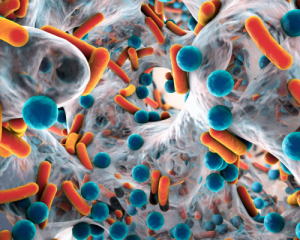
Your mouth has entire colonies of microorganisms, and most of them do no harm. There have been over 700 different strains of bacteria that have been detected in the human mouth, most of which are harmless. Sometimes, other disease-causing bacteria are thrown into the mix which can affect our health. They can be controlled with a healthy diet, good oral care practices and regular visits to your dentist.

Bacteria in biofilm (a thin film of bacteria which adheres to a surface) were first detected under the microscopes of Antony van Leeuwenhoek in the 17th century. Bacteria in your mouth have both the ability to be harmful, but also to be beneficial and necessary to your immune system.

The plaque that forms on your teeth and causes tooth decay and periodontal disease, is a type of biofilm. A biofilm forms when bacteria adhere to surfaces in a watery environment, they excrete a glue-like substance which helps them stick to all kinds of materials. Dental plaque is a yellowish color type of biofilm that builds up on teeth.

Watch Out For These Bacteria

bacteria

Streptococcus mutans

Lives in your mouth and feeds off the sugars and starches you eat. It produces enamel-eroding acids as it feeds, which make it the leading cause of tooth decay.

Porphyromonas gingivalis

Strongly linked to periodontitis. Periodontitis is a serious and progressive disease that can result in bone degeneration. It causes pain and leads to tooth loss.

A biofilm can contain communities of disease-causing bacteria, and if left uncontrolled, they can cause cavities as well as both gingivitis and periodontitis. Bacteria is also the cause of inflammation and pain of a root infection, leading to root canal treatment.
During root canal treatment, the root is dried extremely well and sealed, as to not provide any moisture for bacteria to colonize. A well-filled root canal offers bacteria a nutritionally limited space.

Biofilm can be controlled by proper oral hygiene; however, periodontitis requires an extra helping hand. Treatment of oral infections requires removal of biofilm and calculus (tartar) through non-surgical procedures followed by antibiotic therapy. Chlorhexidine and triclosan can reduce the degree of plaque and gingivitis, while preventing disease-causing microorganisms to colonize.

Don’t let oral bacteria be your “fr-enemy”! Call us Dental Heaven today  to discuss your oral health options.

Tags:

Our New Blog!

Our blog has recently been set up. Please check back soon!